

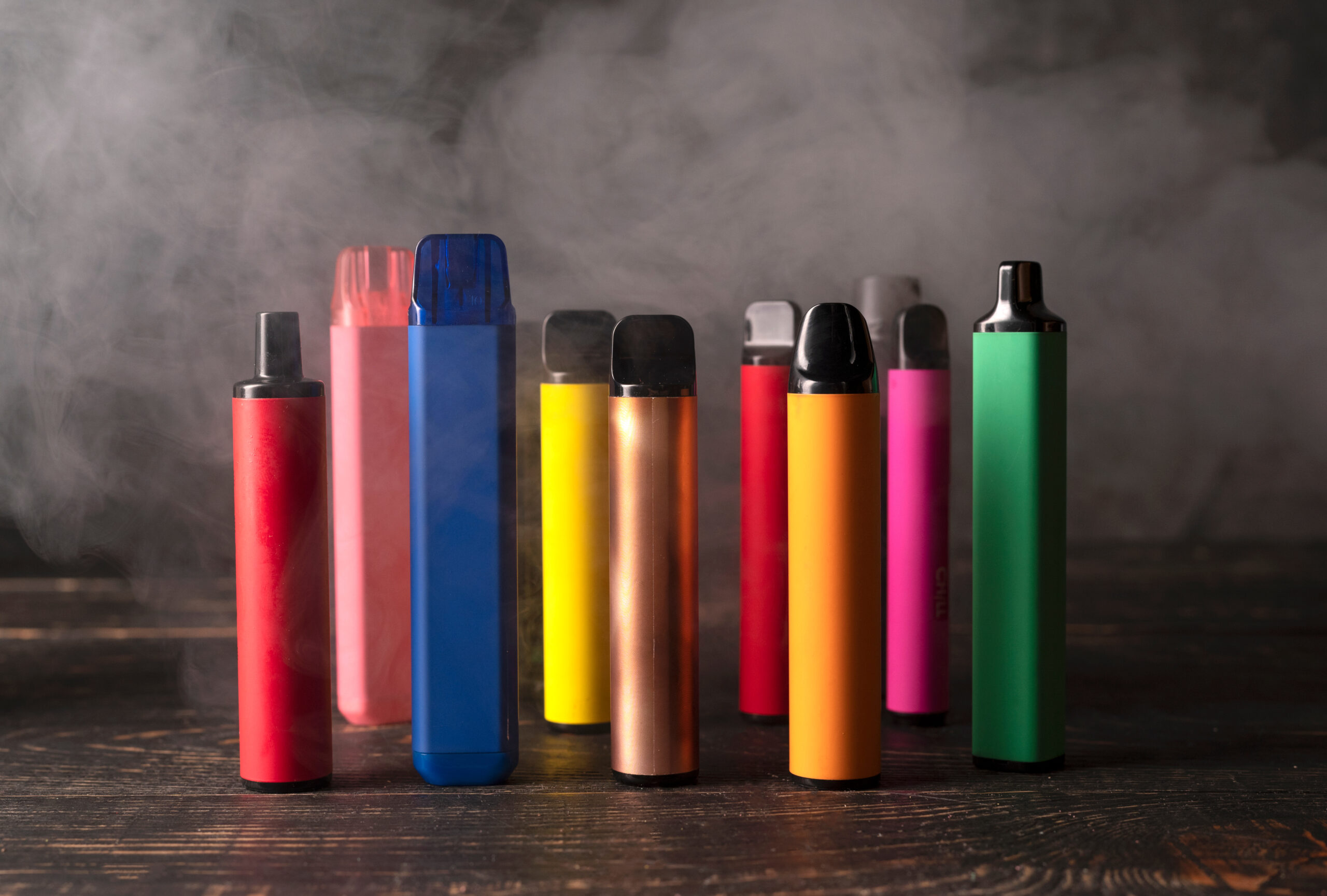
If you’ve recently wondered, “Are vapes banned in Texas?”, you’re not the only one. Between news reports about flavored vape restrictions, school crackdowns, changing federal regulations, and growing concerns about youth vaping, many Texans are confused about what is legal.
The reality is that vapes are not completely banned in Texas. However, state lawmakers have enacted a growing number of restrictions that regulate who can buy, possess, and use vaping products. Some vape-related violations can even lead to criminal charges, particularly when minors, THC products, or school property are involved.
For professionals, business owners, healthcare providers, educators, first responders, and other individuals with established careers, understanding these laws is critical. A seemingly minor vape-related offense can create consequences that extend far beyond a citation. Careers, professional licenses, reputations, and future opportunities may all be affected.
This guide explains current Texas vape laws, what the proposed vape ban in Texas discussions mean, potential criminal consequences, and how to protect yourself if you are accused of violating these laws.
Are Vapes Banned in Texas?
Let’s start with the most common questions: Are vapes banned in Texas? No, vapes are legal in Texas for adults who meet the legal age requirements. However, legality does not mean a lack of regulation.
Texas regulates who can purchase vape products, who can possess vape products, where vape products can be used, how vape products can be marketed, what ingredients vape products may contain, and how retailers must verify age. These restrictions are especially important because violations can quickly turn into legal issues.
The confusion often stems from ongoing legislative proposals and public discussions surrounding a potential vape ban in Texas movement aimed at reducing youth access to vaping products. While Texas has not enacted a statewide ban on all vaping products, lawmakers continue to debate stricter regulations, particularly concerning flavored products and products marketed toward minors.
For now, adults can legally purchase and use nicotine vape products that comply with federal and state regulations. That said, anyone buying, selling, or using these products should understand the rules before assuming they are fully protected from legal risk.
Understanding Texas Vape Laws
To understand whether vapes are banned in Texas is the right question, it is important to understand how Texas regulates these products. The law does not treat every vape-related situation the same way, and the details matter.
Legal Age Requirements
Texas law prohibits the sale of tobacco and nicotine vaping products to anyone under 21 years old. This includes disposable vapes, rechargeable vape devices, e-cigarettes, nicotine cartridges, vape pods, and e-liquids containing nicotine.
Retailers must verify age before completing a sale, and businesses that fail to comply can face penalties and enforcement actions. These requirements are designed to reduce youth access to vaping products and hold retailers accountable for illegal sales.
Possession by Minors
Individuals under 21 generally cannot legally possess nicotine vape products. Consequences may include fines, mandatory educational programs, school disciplinary action, or additional consequences depending on the circumstances.
For students and young adults, these penalties can create more than a temporary inconvenience. A vape-related incident may lead to school involvement, parent notification, disciplinary records, or further investigation if there are any concerns about THC or distribution.
School Property Restrictions
Texas schools take vaping seriously and have increased enforcement efforts in recent years. Many districts have invested in vape detection systems and stricter disciplinary policies to address vaping on campus.
Possessing or using vape products on school property may result in suspension, alternative education placement, expulsion in certain situations, criminal citations, or additional investigations. When THC products or allegations of distribution are involved, the situation can escalate quickly.
The Difference Between Nicotine Vapes and THC Vapes
One of the most important distinctions in Texas law involves the contents of the vape itself. Many people who ask if vapes are banned in Texas fail to realize that nicotine and THC products are treated very differently.
Nicotine Vapes
Nicotine vapes are generally legal for adults over 21 when purchased through authorized retailers. However, users should still ensure the products comply with applicable state and federal regulations.
This distinction matters because a legal nicotine vape and an illegal THC cartridge can look similar from the outside. What is inside the device or cartridge can dramatically change the legal consequences.
THC Vapes
THC vape products may create serious legal problems in Texas. Depending on the circumstances, possession of THC vape cartridges can result in drug possession charges, felony charges, enhanced penalties, and professional licensing concerns.
Texas continues to maintain strict marijuana laws compared to many other states. Even individuals who legally purchased cannabis products elsewhere can face criminal charges if they bring prohibited THC products into Texas.
Many people mistakenly assume all vape products are treated the same under Texas law, but that is not the case. The legal distinction between nicotine and THC products can dramatically affect potential criminal exposure.
Why Are People Talking About a Vape Ban in Texas?
The phrase vape ban Texas has gained popularity due to ongoing legislative efforts aimed at reducing youth vaping. These discussions are often connected to concerns about flavored products, underage use, online sales, and products that appear designed to appeal to minors.
Youth Usage Rates
Lawmakers and health officials continue to express concern regarding teen vaping rates, flavored products targeting younger consumers, social media marketing, and long-term health effects. These concerns have helped drive proposals for stricter rules around how vape products are sold and advertised.
For parents, schools, and communities, the issue is not just about personal choice. It is also about preventing underage access and limiting exposure to products that may carry health and legal risks.
Retail Compliance Issues
Texas authorities have also increased scrutiny of retailers accused of selling to minors, failing to verify identification, or marketing prohibited products. Retailers that do not follow the law may face penalties, licensing problems, and increased enforcement attention.
For consumers, retail compliance issues can add to the confusion. A product being available for sale does not always mean every use or possession scenario is legally risk-free.
Federal Regulatory Changes
The FDA has increased enforcement efforts against unauthorized vape products. As federal regulations evolve, some products disappear from shelves while others face legal challenges.
This contributes to confusion among consumers who wonder whether vapes are banned in Texas has become a reality. At present, Texas has not implemented a blanket prohibition on vaping products, but the regulatory environment continues to shift.
Common Vape-Related Criminal Charges in Texas
Although whether vapes are banned in Texas can be answered with “no,” vape-related activity can still result in criminal allegations. Some of the most common scenarios involve THC vape cartridges, distribution to minors, school-related incidents, or false identification offenses.
Possession of THC Vape Cartridges
One of the most frequent vape-related criminal cases involves THC cartridges. These cases may arise from traffic stops, school investigations, workplace incidents, or searches of personal property.
Depending on the substance involved, penalties can be severe. In some cases, individuals may face felony charges that carry long-term consequences for employment, licensing, and reputation.
Distribution to Minors
Providing vape products to underage individuals can result in criminal consequences. This may include purchasing products for minors, sharing vape devices, or selling products without proper licensing.
Even situations that seem informal can create legal exposure. For example, buying a vape for someone underage or allowing others to use a device may become part of a larger investigation.
School-Related Incidents
Schools frequently refer vape-related incidents to law enforcement, especially when THC products are involved. These referrals may also occur when distribution is alleged or multiple students are implicated.
For students, parents, and educators, school-based allegations can move quickly. What starts as a disciplinary issue may become a criminal matter if law enforcement gets involved.
False Identification Offenses
Using fake identification to purchase vape products may trigger additional criminal allegations beyond the vaping violation itself. This can make the situation more serious than the person initially expected.
False ID allegations can also raise concerns about honesty, judgment, and future professional opportunities. For individuals with careers, licenses, or reputations to protect, those concerns should not be taken lightly.
How Vape Charges Can Affect Your Career and Reputation
For many of Barbieri Law Firm’s clients, the legal penalties are only part of the concern. The larger issue is often the impact on their professional and personal reputation.
A vape-related charge can affect professional licensing, employment opportunities, security clearances, educational opportunities, professional memberships, and community standing. This is especially true for physicians, nurses, teachers, attorneys, executives, first responders, and public officials.
Even allegations that never result in a conviction can create lasting reputational harm. For many professionals, the investigation itself can trigger disciplinary reviews, workplace scrutiny, and significant personal stress.
At Barbieri Law Firm, we understand that protecting your future often requires more than simply resolving the criminal case. Our team recognizes that careers, reputations, and families may all be on the line.
What To Do If You’re Facing Vape-Related Charges
If you are accused of a vape-related offense, your response in the first few days can significantly impact the outcome. The right steps can help protect your rights, your reputation, and your future.
Avoid Making Statements
Many individuals unintentionally damage their defense by attempting to explain themselves to investigators. You have the right to remain silent and exercising that right is often one of the most important steps you can take to protect yourself.
Anything you say can potentially be used against you later. Before answering questions, speak with an experienced criminal defense attorney who can help you understand what is at stake.
Preserve Evidence
If you have receipts, product packaging, communications, medical documentation, or other relevant records, keep them. These materials may become important later if your attorney needs to challenge allegations or establish critical facts about the case.
Preserving evidence early can make a significant difference in your defense. It can also help clarify whether the product at issue was nicotine-based, legally purchased, mislabeled, or connected to someone else.
Do Not Discuss the Case Publicly
Avoid posting about the matter on Facebook, Instagram, TikTok, X, Reddit, LinkedIn, or other public platforms. Social media content frequently becomes evidence in criminal investigations.
Even seemingly harmless posts can be taken out of context and used against you. When your reputation matters, silence online can be just as important as silence during questioning.
Contact an Experienced Criminal Defense Attorney
Even relatively minor charges can have long-term consequences. Early legal intervention often provides the best opportunity to protect your rights, preserve evidence, challenge unlawful searches, minimize reputational harm, and pursue dismissal opportunities.
An experienced attorney can evaluate the facts, identify weaknesses in the case, and help you avoid decisions that make the situation worse. When your name, career, and future are on the line, strategy matters from day one.
How Texas Vape Laws May Continue to Change
The legal landscape surrounding vaping remains fluid. Future legislation could impact flavored products, online sales, retail licensing, product ingredients, marketing practices, and possession restrictions.
This means the answer to are vapes banned in Texas today may differ from the answer several years from now. Consumers and businesses should stay informed about regulatory developments and seek guidance when questions arise.
Businesses that sell vape products should be particularly attentive to compliance requirements. Violations may trigger both civil and criminal consequences, especially when underage sales or prohibited products are involved.
Protect Your Future If You’re Facing Vape-Related Charges
So, are vapes banned in Texas? No, vapes are not currently banned in Texas. However, the state’s regulatory framework continues to evolve, and violations involving age restrictions, THC products, school property, or distribution can lead to serious consequences.
For professionals, business owners, healthcare providers, educators, and individuals who have spent years building their reputations, even a seemingly minor charge can create significant disruption. The legal issue may be only one part of the problem, especially when a case threatens your career, licensing, privacy, or standing in the community.
At Barbieri Law Firm, we understand that criminal allegations affect more than just a legal record. They can impact careers, families, finances, and futures. That is why we take a strategic, aggressive, and personalized approach to every case.
As fierce advocates for justice, we are committed to safeguarding reputations and helping clients reclaim their lives. Our team combines courtroom strength, innovative defense strategies, and reputation-focused representation to pursue the best possible outcome.
Request a Free Confidential Case Review. Contact Barbieri Law Firm Today.